








UZBEKISTAN–U.S. RELATIONS: FROM ECONOMIC DEALS TO EDUCATIONAL EXCHANGE


The long-term strategic partnership between Uzbekistan and the United States is fundamentally shifting its focus from raw material trade to the far more critical domain of human capital development. For a nation committed to modernization, the highest priority is cultivating a new generation of professionals who can thrive in high-tech, knowledge-based industries. This demand is the true catalyst behind the current educational transformation sweeping across Uzbekistan.
The strategic imperative is clear: the country requires a workforce capable of meeting global standards, whether in engineering, data science, or specialized fields such as aviation. To achieve this, Uzbekistan is rapidly overhauling its higher education sector. Crucially, the success of domestic reforms hinges on deep collaboration with U.S. academic expertise. American educational and exchange initiatives provide the necessary quality control and skill transfer. Programs facilitated by the U.S. Department of State, such as the Fulbright Program and Global Undergraduate Exchange Program (Global UGRAD), play a pivotal role in advancing academic cooperation.
Among these initiatives, the Faculty Enrichment Program (FEP) which is administered by the American Councils for International Education stands out as a cornerstone for professional development in higher education. The program offers university instructors from Uzbekistan the opportunity to observe academic processes, participate in seminars, and collaborate with U.S. faculty to strengthen teaching and research practices. In 2025, more than 30 Uzbek candidates were selected as FEP finalists and visited leading American universities, immersing themselves in diverse academic environments. Their experiences in the United States equip them with modern pedagogical methods and research competencies that will later be applied within their home institutions. This transfer of knowledge represents the intellectual foundation of Uzbekistan’s future prosperity.
The scale of Uzbekistan's economic ambition, and the ensuing demand for highly skilled personnel, was vividly underscored during the Presidential visit to the United States in the fall of 2025. During his business program in New York City in September 2025, President Shavkat Mirziyoyev held high-level meetings, including with Boeing Global President Brendan Nelson. The core outcome of this strategic engagement was the finalization of a landmark agreement for the supply of new Boeing aircraft to Uzbekistan Airways. While U.S. media attention naturally focused on the scale of the deal—hailed by U.S. President Donald Trump—the significance for Tashkent extends far beyond the acquisition of new assets. This major investment immediately translates into a pressing need for professionals trained and certified to international standards, such as those set by the Federal Aviation Administration (FAA) and the International Civil Aviation Organization (ICAO). The President’s diplomacy thus reaffirmed the nation’s trajectory toward a high-tech future, making educational transformation an economic necessity.
The latest policy move by the Uzbek government introduced immediately after the economic agreements is a calculated act of diplomatic goodwill designed to accelerate educational and professional collaboration. On November 3, 2025, Presidential Decree PF-203 was adopted, officially introducing a visa-free regime for U.S. citizens. Effective January 1, 2026, American citizens will be permitted to stay in Uzbekistan for up to 30 days from the date of entry without a visa.
This measure is far more than a tourism initiative. It directly addresses the logistical barriers that have historically limited U.S. academic and institutional engagement in the region. The 30-day waiver ensures swift, low-cost access for:
- U.S. faculty and administrators conducting short-term oversight visits to established entities such as Webster University Tashkent;
- American experts delivering intensive workshops and lectures at institutions such as the American Center Tashkent;
- Accreditation bodies and consultants providing on-site advice on curriculum alignment and technical standards.
By removing bureaucratic barriers to short-term travel, Uzbekistan is demonstrating openness, confidence, and readiness for deeper international engagement. This reform strengthens the country’s image as a reliable and progressive partner and supports ongoing dialogue on expanding mutual opportunities for Uzbek citizens in the United States. Uzbekistan has thus established a clear and practical pathway for U.S. educators, scholars, and entrepreneurs to contribute to the country’s educational and economic progress. The Boeing agreement has reaffirmed the direction of economic modernization, while the visa-free regime provides a new diplomatic bridge for people-to-people cooperation. Together, these initiatives underscore the dynamic evolution of Uzbekistan–U.S. relations, founded on mutual respect, shared goals, and the joint pursuit of knowledge and innovation.
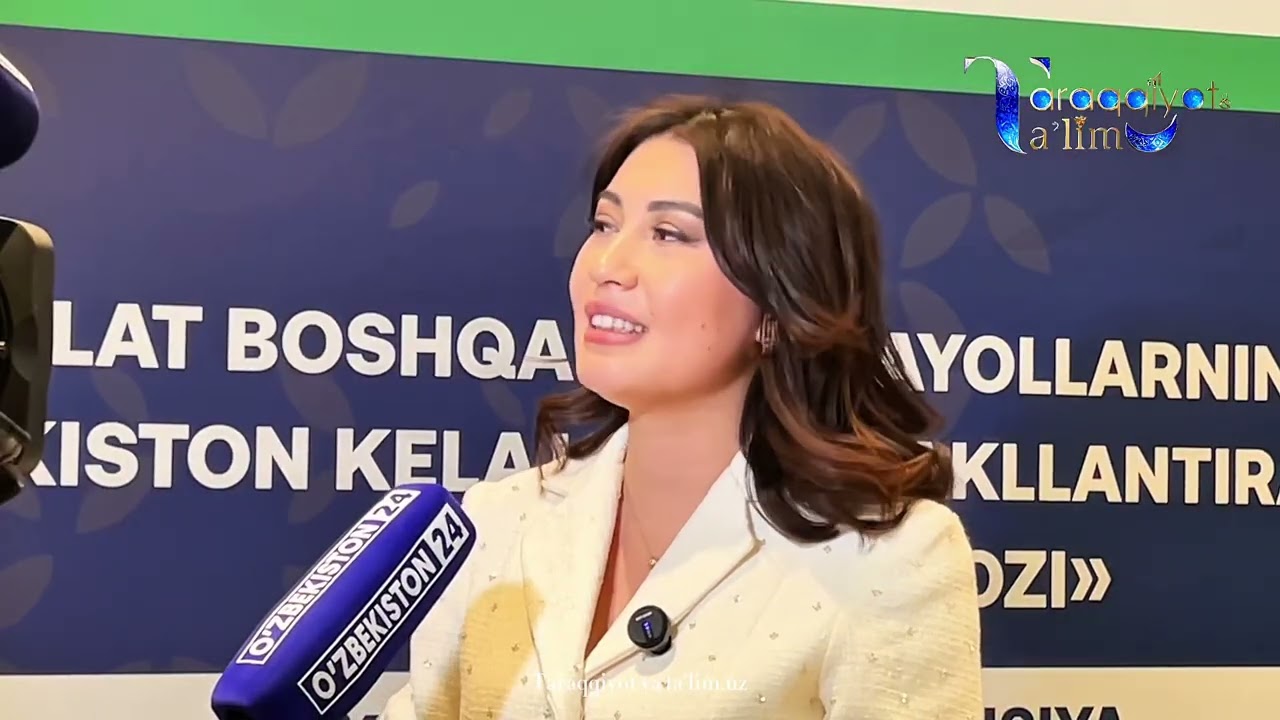
Dr. Zebo Kuldasheva
Associate Professor at Tashkent State University of Economics,
currently at Gonzaga University, USA, as a finalist of the FEP Program.


